



The Price of Silver: How to take advantage of investment opportunities

Silver is one of the precious metals with the richest and most enduring history, having been valued since ancient times. Since then, interest in silver has shown no signs of slowing, with global production expected to reach more than 25,000 tonnes by 2024.
Whether it’s to diversify a portfolio, as a store of value or even as a hedge against inflation, investing in silver continues to be an attractive strategy for many investors But before making any decisions, it's important to understand the dynamics that influence the price of silver and how this asset can impact your portfolio.
What affects the price of silver?
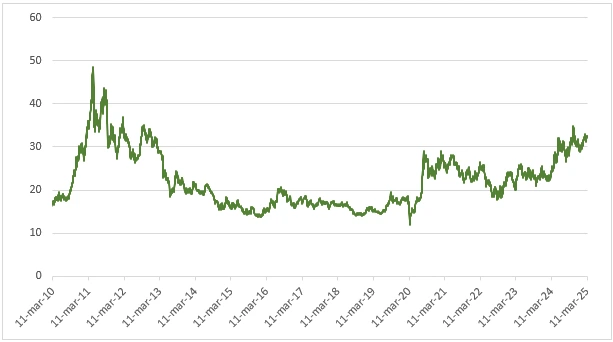
The unpredictable environment of recent years has rekindled investor interest in safe-haven assets such as silver, driving demand and price recovery.
Silver price trend in (USD/t.oz) – 2010 to 2024
Source: Bloomberg/Banco Carregosa
These are the main factors that determine the price of silver:
Silver supply
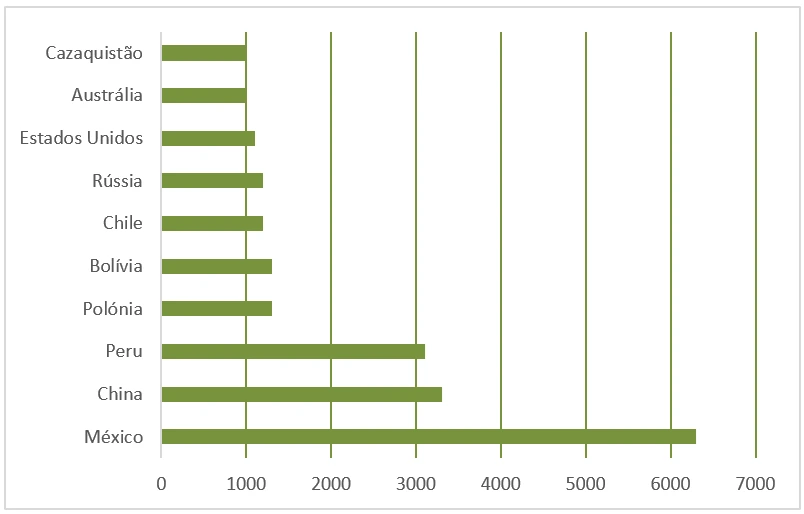
The amount of silver available on the world market is directly influenced by the output of mines around the world. Countries such as Mexico, China and Peru are the largest producers of silver and any disruption or change in production in these places can have a significant impact on the price.
Leading countries in world silver mine production (in metric tonnes in 2024)
Source: Bloomberg/Banco Carregosa
Furthermore, most silver is mined as a by-product of other mines, such as gold and copper, meaning a slowdown in these sectors could limit silver supply and increase its value.
Technological developments
Silver is widely used in the manufacture of solar panels, electronic devices, batteries and medical applications. It is also found in sectors such as jewellery and the chemical industry for its antimicrobial and conductive properties. The growing demand for sustainable technologies and advanced electronics is increasing the need for this precious metal. As the world moves towards clean energy, silver also plays an important role in solar energy production.
Inflation
When inflation rises, investors tend to look to safe-haven assets such as silver, similar to gold, to protect the value of their capital. In times of economic uncertainty, silver is seen as a stable store of value, which can increase its demand and drive up its price.
Exchange rates and the value of the US dollar
Silver is generally priced in US dollars. So when the dollar depreciates, silver becomes cheaper for investors from other countries, increasing demand and consequently the price. On the other hand, a stronger dollar can make silver more expensive in relative terms, reducing demand for it.
Geopolitical context
Faced with global crises, political conflict and financial uncertainty, investors seek to protect their capital by turning to safe havens like silver. In times of crisis, when financial markets are volatile, many investors turn to precious metals to preserve the value of their assets. The war in Ukraine, for example, has boosted demand for silver.
Why invest in silver?
Silver is much more than just a store of value. Investing in silver can be an effective way of diversifying a portfolio, especially for investors looking to minimise the risks associated with other asset classes. It is one of the few metals with an exceptional combination of industrial value and preciousness. Rare and versatile, it lies at the crossroads of luxury and functionality – a distinction that few metals can achieve with such relevance. Its high electrical conductivity and corrosion resistance make it indispensable in many industrial applications.
Protection against inflation and a store of value
Throughout history, silver has proven to be a resilient asset in times of inflation. When traditional currencies depreciate, silver tends to maintain or even increase its value, acting as a shield against the loss of purchasing power. Like gold, silver acts as a hedge for investors.
High value and versatile industrial use
Silver is valuable not only for its rarity and beauty, but also for the fundamental role it plays in various industries. With applications ranging from electronics and medicine to solar energy production, silver is present in various technologies that underpin the global economy. This industrial versatility gives it intrinsic value. With the growth of technological and sustainable sectors, demand for silver is likely to increase, creating significant potential for medium and long-term gains.
Diversifying and reducing risk
Silver is a good way to diversify an investment portfolio and reduce exposure to conventional assets. The price of silver is not directly linked to the performance of the financial markets, making it a resilient investment in times of volatility. Adding silver to your portfolio adds a layer of relative security and stability, reducing the risks associated with market volatility.
Liquidity and flexibility
Silver is one of the most liquid and flexible assets in the financial markets. You can buy silver in a variety of forms, from physical coins and bars to exchange-traded funds (ETFs) that track the price of the metal. Physical silver can be easily converted into cash and ETFs allow investors to move quickly in and out of their positions. This flexibility allows you to adjust your strategies as market conditions change. In addition, the price per ounce of silver is generally more affordable than the price per ounce of gold, making it a cheaper entry point for those looking to diversify their portfolio with a tangible asset.
Risks of investing in silver
Investing in silver, as in any other asset, carries risks that need to be carefully considered:
• Silver tends to be more volatile than gold. Small changes in the global economy or demand can cause large price fluctuations and increase the risk of loss;
• Production can also be somewhat unpredictable. Supply depends on mining, which means that most silver is produced as a by-product of other mines, such as copper and gold;
• There is market risk. As silver is widely used in industrial applications, its demand may fall if the global economy slows, negatively affecting its price.