



Sugar Prices: What you should know before investing

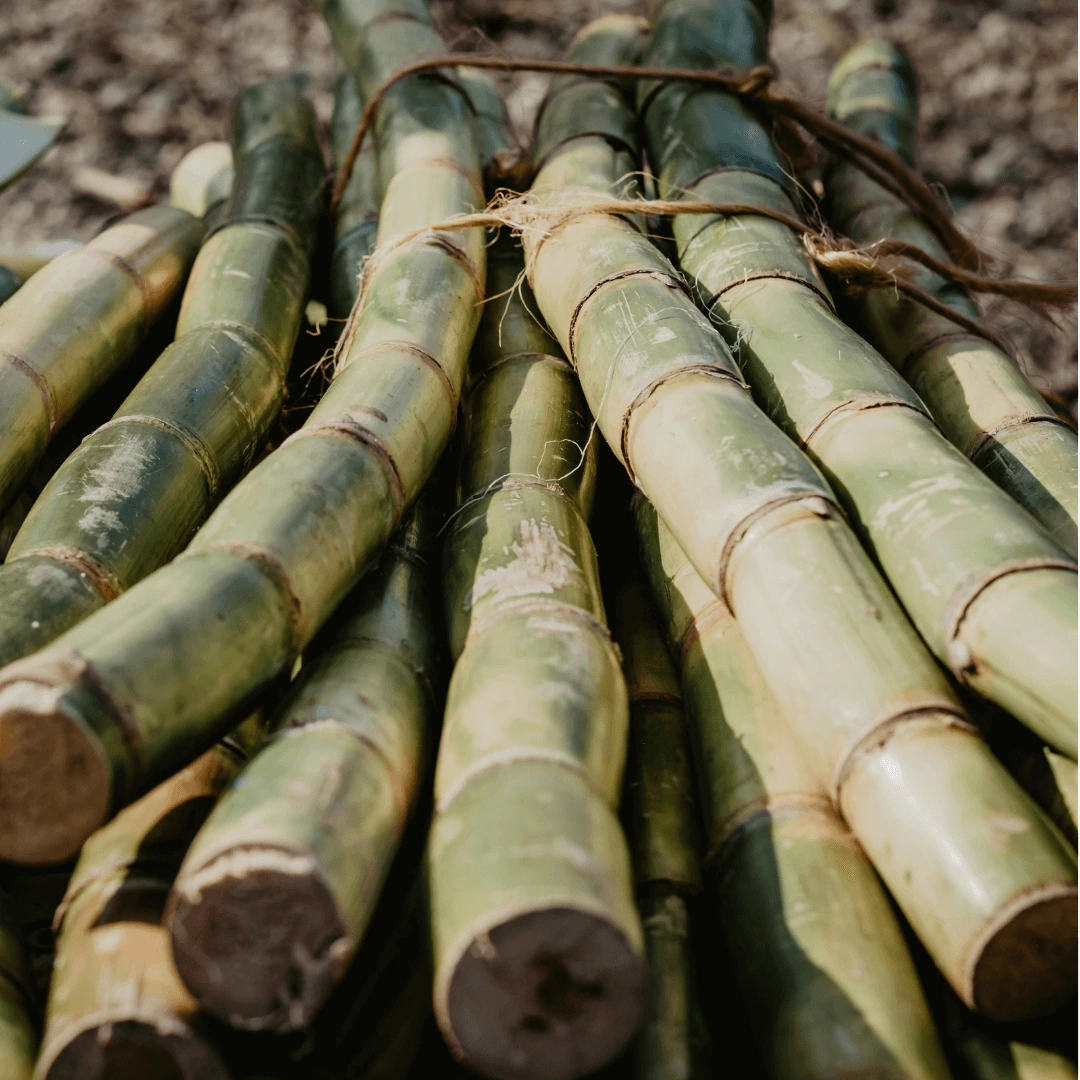
Sugar is more than just a sweetener found in most homes. It is one of the world’s most important agricultural commodities. Find out how it is priced, why it can be a good investment, what the risks are and the best ways to invest in sugar.
Where does sugar come from and why is it so valuable?
The history of sugar can be traced back to ancient civilisations, particularly in South East Asia. Today, it comes from two sources: sugar cane, which thrives in tropical climates, and sugar beet, which is grown in more temperate regions.
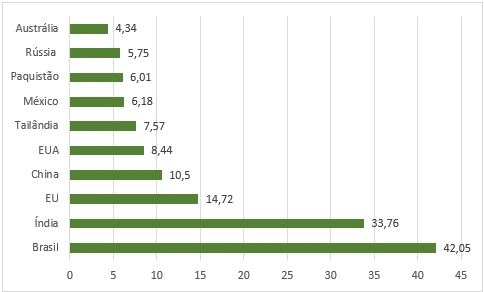
The world’s main producers include Brazil, India and the United States, which are the leading exporters of this essential commodity.
World sugar production (in million tonnes)
Source: Research Gate/Banco Carregosa
But what makes sugar so valuable? In addition to its essential role in food, it is present in a wide range of foods and drinks that we consume on a daily basis. In the energy sector, for example, it is used to produce ethanol, a biofuel that is becoming an increasingly important part of the global sustainability movement. In the pharmaceutical industry, sugar is a common ingredient in medicines, while in cosmetics it is used in exfoliants and natural preservatives.
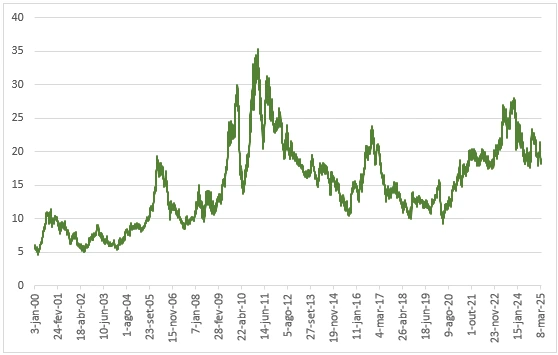
Sugar price trend (US cents per pound, USd/pound weight) (2000-2024)
Source: Research Gate/Banco Carregosa
Another factor that makes it attractive on the international market is that it is easy to store. This allows it to be marketed worldwide without major restrictions.
In short, sugar is a strategic agricultural commodity that is fundamental to several industries, boosting economies and creating jobs in several countries. Its versatility and constant demand make it an important asset in the global financial market.
What influences the price of sugar?
A number of factors, from weather conditions to agricultural policy and financial dynamics, determine the price of sugar on the world market.
1. Weather conditions
Sugar production is highly dependent on weather conditions. Sugar cane in particular requires a hot and humid climate, making it vulnerable to phenomena such as prolonged droughts, floods or hurricanes. For example, a severe drought in Brazil – the world’s largest producer – could significantly reduce global supply and cause prices to rise.
2. Agricultural and trade policies
The governments of the major sugar producing countries have a significant influence on the market through agricultural subsidies, tariffs and other trade measures. Many countries protect their domestic sugar industry through financial incentives, which can have a distorting effect on world prices. In addition, export restrictions or additional tariffs imposed by large producers can reduce the supply available on the international market, contributing to higher prices.
3. Global demand
As with any other product, the price of sugar is determined by the balance between supply and demand. On the demand side, the main drivers of the sugar market are the inclusion of this ingredient in many processed foods, population growth and increased purchasing power in emerging markets, in addition to the dynamics of the energy market: this commodity is also a raw material for the production of ethanol, a biofuel. For this reason, any change in biofuel policy can have a direct impact on the demand for sugar and therefore on its value. These factors have contributed to a gradual and steady increase in the demand for sugar on the world market.
4. Financial markets
Sugar, like other agricultural commodities, is traded on futures exchanges, which means that investors can influence prices by anticipating changes in supply and demand. For example, if markets believe that sugar production will be affected by adverse weather conditions, they may buy futures contracts, putting upward pressure on prices. This factor is a contributor to market volatility and can cause significant swings in the price of sugar, even in periods of relatively stable supply.
Why invest in sugar?
Investing in sugar may appear to be a less conventional strategy, but it does have a number of advantages that can make this commodity an interesting option for investors.
1. Diversification of the investment portfolio
Sugar is one of those agricultural commodities whose price behaviour is influenced by factors other than those affecting the stock, bond or property markets. Including sugar in your portfolio can reduce your exposure to sector-specific risks, as agricultural commodity prices do not always follow traditional economic cycles.
2. Protecting against inflation
Like other commodities, sugar tends to appreciate during periods of inflation. This is because the costs associated with its production – such as energy, labour and raw materials – increase during these periods, which is reflected in the final price of the commodity. Sugar can therefore act as a hedge against purchasing power losses.
3. Growing global demand
Demand for sugar is rising as the world’s population grows and consumption of processed and sugary foods increases in emerging markets such as India and China. This continued demand could represent a potential upside for investors in the long term.
Risks of investing in the sugar sector
Like any other investment, sugar carries risks that investors should be aware of.
1. Volatility
The price of sugar can fluctuate significantly and unpredictably due to factors such as weather conditions, government policies and production costs. These fluctuations can make the investment more risky and require an appropriate risk management strategy.
2. Competing with alternative products
The sugar market is facing increasing competition from alternative sweeteners such as stevia, agave syrup and other substitutes for sugar. In addition, the rise in health concerns and the introduction of regulations limiting the amount of sugar in food products may have an impact on demand. Investing in companies that diversify their offerings or develop innovative alternatives can help mitigate this risk.
How to invest in sugar
Investing in sugar can be an interesting strategy to diversify a portfolio and gain exposure to a key sector with global implications. The most common ways of doing this are:
1. Sugar futures contracts
One of the most direct ways to invest in this commodity is through sugar futures contracts. Buying futures gives you the right to buy or sell a certain amount of sugar in the future at a price agreed today. This option is widely used by traders who want to speculate on whether the price of sugar will rise or fall, but also by producers and large buyers who want to protect themselves against price volatility.
Advantages:
• Direct exposure to the price of sugar;
• Elevada liquidez nos mercados globais.
Disadvantages:
• High volatility and related risks;
• Understanding and managing risk in the futures market requires technical knowledge.
2. Shares of companies in the sugar sector
Another way to gain exposure to the sugar market is to invest in shares of companies that produce or process sugar. These companies may be large producers of agricultural products, refineries or companies that manufacture products derived from agricultural products. Investing in shares allows you to benefit from the growth of companies in the sector, as well as from any dividends that may be paid.
Advantages:
• It allows you to benefit from the growth of certain companies;
• Possibility of receiving dividends.
Disadvantages:
• The share price depends not only on the sugar market but also on how the company manages and other internal factors;
• If you bet on a few companies, you run the risk of concentration.
3. Sugar ETFs
ETFs (Exchange-Traded Funds) are funds that track the performance of a market index or basket of assets. In the case of sugar ETFs, the fund may hold companies involved in sugar production or track the price of sugar futures contracts. This option allows you to invest in a diversified way without having to buy individual shares or futures directly.
Advantages:
• Instant diversification, reducing the specific risk of a single company or asset;
• High liquidity.
Disadvantages:
• Indirect exposure to sugar, with a less direct link to the price of the commodity;
• The performance of the ETF may not fully replicate the sugar market as it depends on the composition of the fund.
4. Direct investment in sugar plantations
For investors with significant assets, investing directly in sugar cane plantations can be an interesting way to gain long-term exposure to the sugar market. This type of investment involves the acquisition of, or participation in, agricultural land dedicated to sugar production, with direct benefits from production and income from the harvests.
Advantages:
• Direct exposure to the agricultural sector and sugar production;
• Potential for passive income from crops and land appreciation;
• Protection against inflation, as agricultural commodities tend to increase in value during inflationary periods.
Disadvantages:
• High initial investment and long-term commitment;
• Exposure to agricultural risks such as adverse weather conditions, pests or logistical problems;
• Lower liquidity compared to other investments.
Banco Carregosa: specialised in advising on investment in the sugar sector
Investing in sugar can be an excellent way to standardise your portfolio and tap into a market with significant growth potential. Although there are risks involved, careful analysis and appropriate risk mitigation strategies can help maximise the benefits of this investment. Benefit from the experience and knowledge of Banco Carregosa’s experts to help you with your investment decisions in sugar and other commodities. Contact us to find out how you can protect and capitalise on your assets for a sound financial future.