


The 10 Best Books about Personal Finance

Miguel Ricon Ferraz, Financial Analyst and Head of the Investment Advisory Service at Banco Carregosa, has selected some of the most relevant books for those wishing to manage their personal finances more effectively.
At a glance:
• The best books on personal finance help you build a solid foundation for managing money, saving, and investing with confidence.
• From timeless classics to modern practical guides, there are options for different stages and profiles.
• At Carregosa NextGen you will find specialised support to make informed decisions and turn theory into action.
What if a book about personal finance could transform your relationship with money? The truth is that many of our habits were formed without much thought. We spend, save (or don't), and invest (or procrastinate) on autopilot. However, all it takes is some good reading material to make you start questioning your patterns, define a strategy, and take control of your financial future.
If you want to improve your financial situation, start investing or develop a more mindful relationship with money, this list of the best books on personal finance is an excellent starting point.
What are the best books on personal finance?
If you’re looking for the best books on personal finance, the answer depends on your goal: learning to manage money, changing your mindset or starting to invest.
In short, these are some of the most highly recommended books for each stage:
• For beginners: books that explain basic concepts in an accessible way;
• For financial mindset: books that help improve decisions and habits;
• For investing: practical guides on markets and wealth building;
• For financial independence: strategies for achieving long-term financial freedom.
In this article, we have compiled a selection of the best books on personal finance, organised by objective, to help you decide where to begin. Our recommendations are based on the experience of the Banco Carregosa team.
Best books for beginners
If you’re just starting to manage your money, clarity is more important than complexity. The best personal finance books for beginners explain fundamental concepts such as saving, financial habits and budgeting, using easy-to-understand language.
Read these books if you want to: take control of your personal finances, establish a solid foundation before you start investing, and develop a more mindful relationship with money.
1. "Rich Dad, Poor Dad”, by Robert T. Kiyosaki
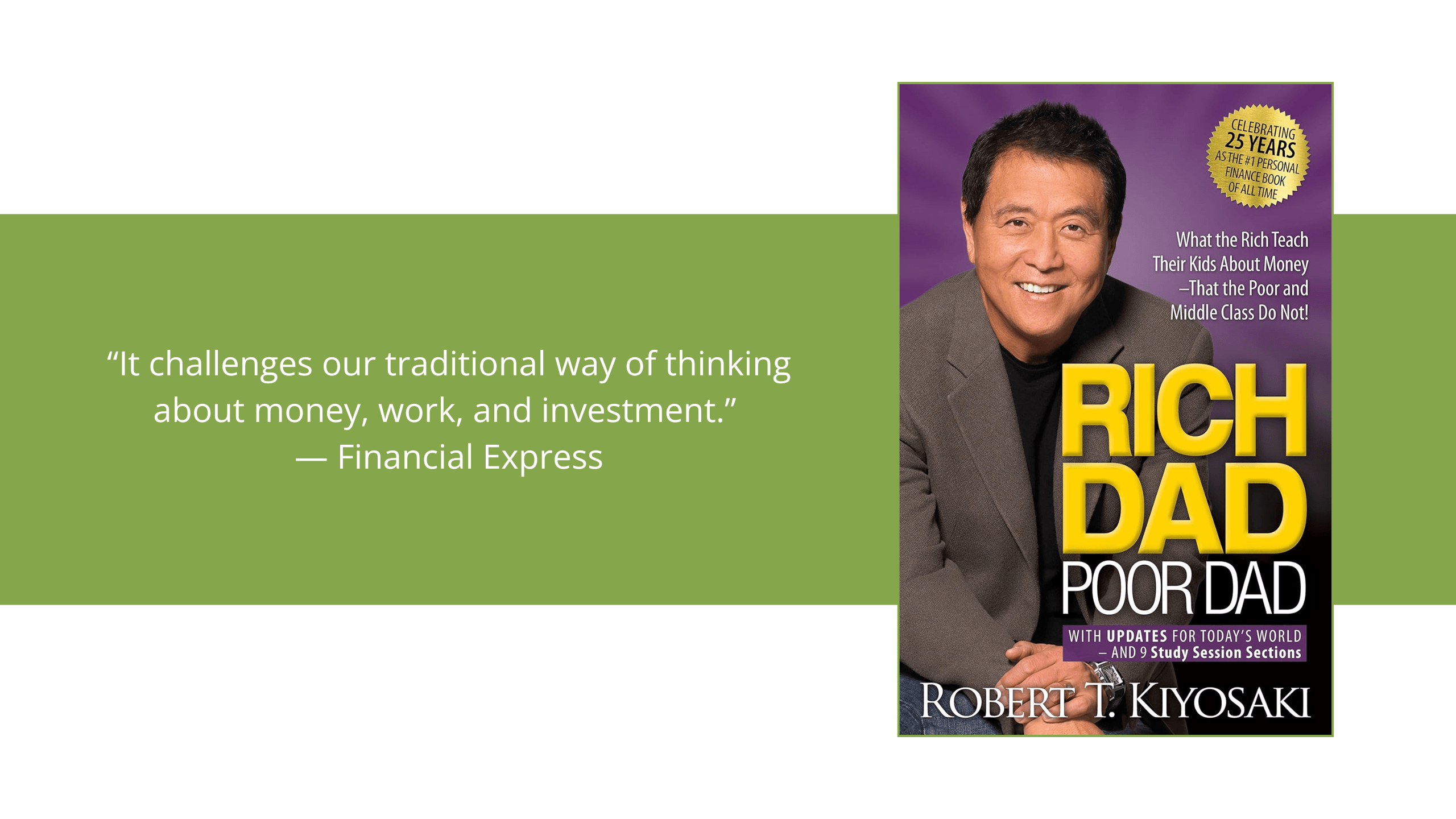
Widely considered to be one of the most popular books ever written on personal finance, it challenges our traditional views on work, money, and investment. By comparing two different father figures, the author looks at concepts such as assets, liabilities, and financial independence.
Although it is not a technical manual, this book can help to change your mindset. If you’re just starting out on your financial journey, it could provide a useful foundation for reconsidering your relationship with money.
"It challenges our traditional way of thinking about money, work, and investment.” — Financial Express.
2. "The Richest Man in Babylon”, by George S. Clason
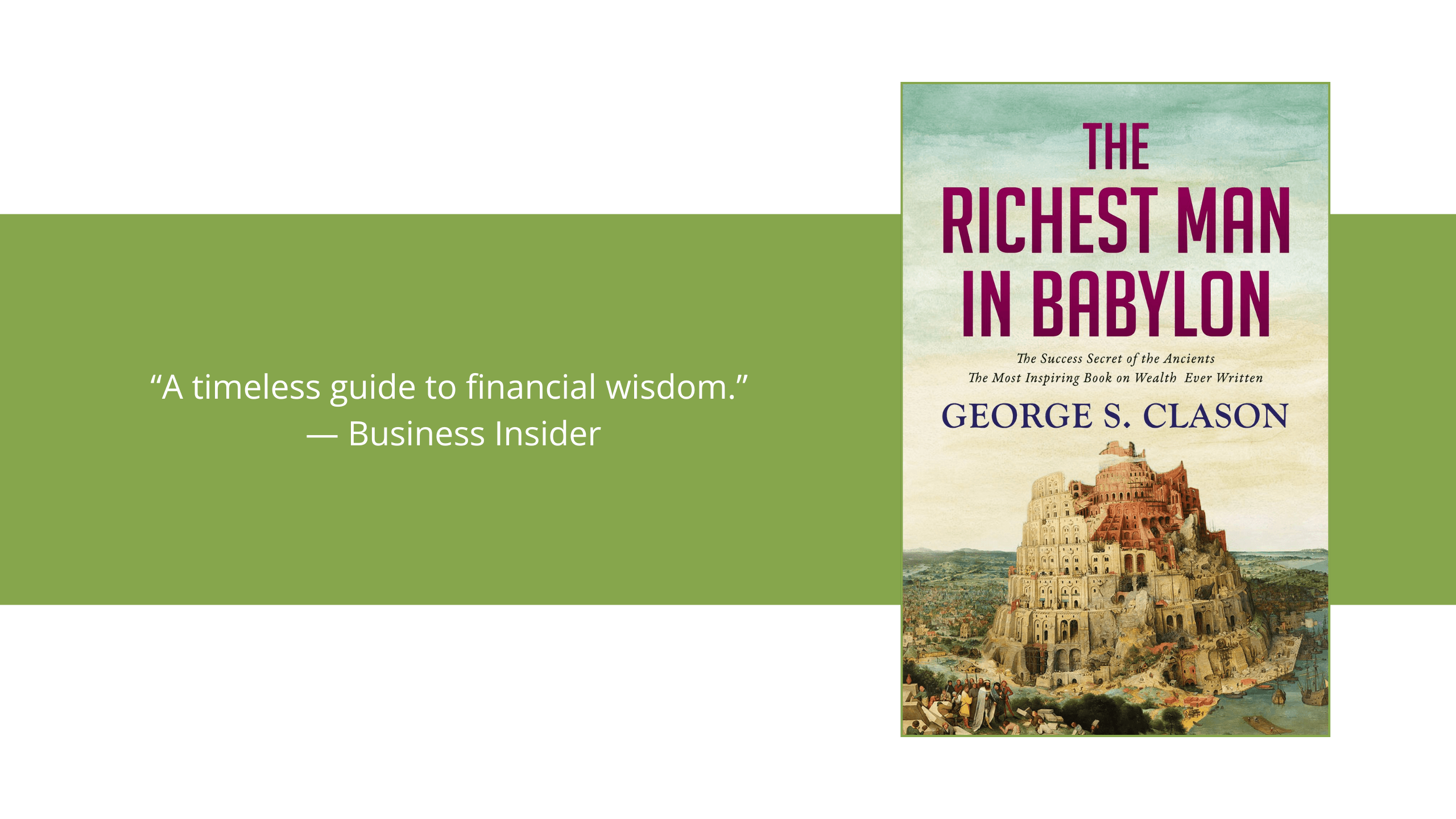
This classic uses parables set in ancient Babylon to convey the timeless principles of saving and financial management. The concept of ‘paying yourself first’, for example, remains relevant today.
This is an accessible and straightforward book ideal for anyone who wants to consolidate their understanding of personal finance in a light-hearted and practical way.
"A timeless guide to financial wisdom.” — Business Insider.
3. "I’ll Teach You to Be Rich”, by Ramit Sethi
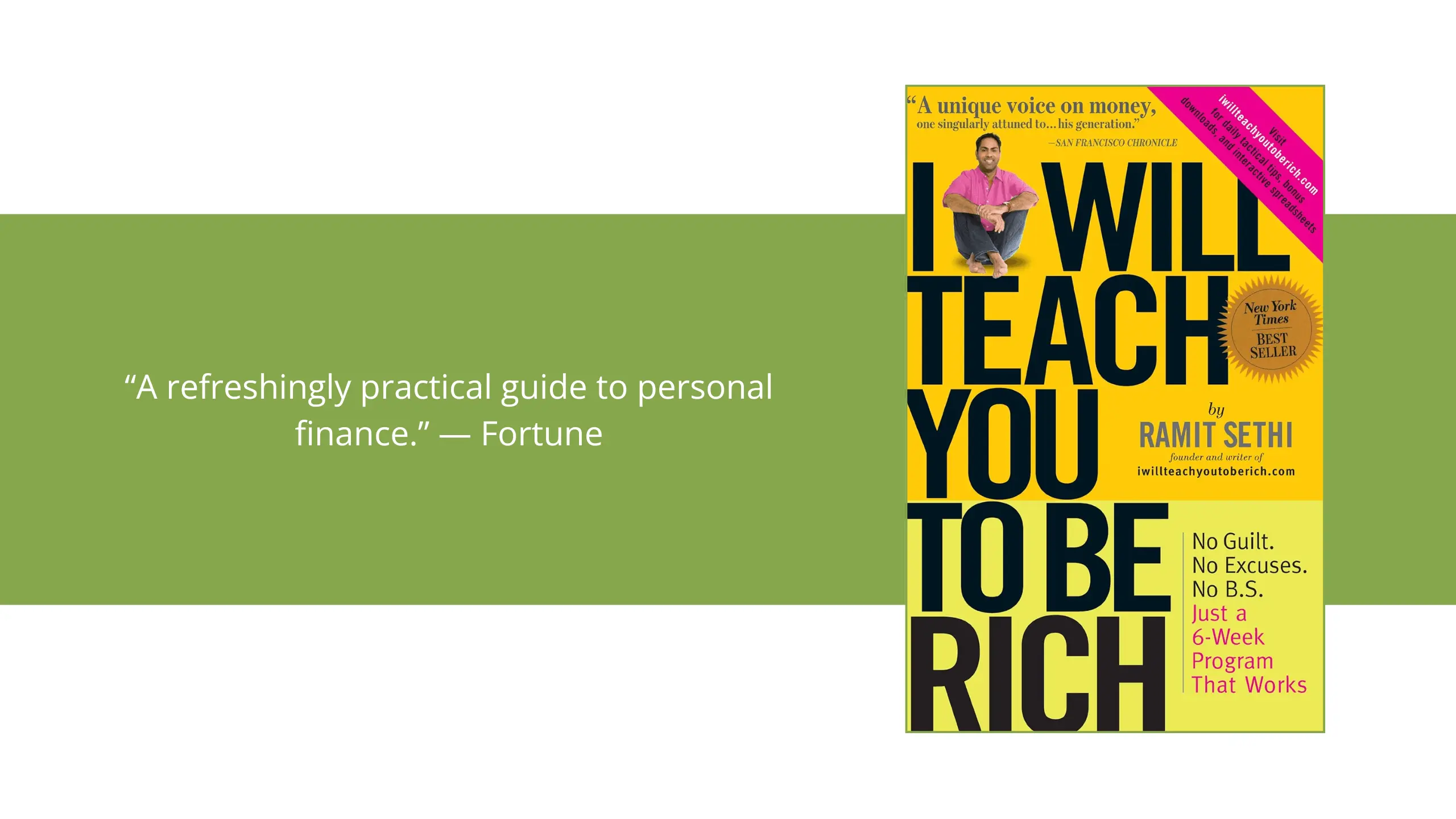
A straightforward, practical book tailored to a younger generation. Topics covered include salary negotiation, automated savings, and initial investing.
If you’re just starting out in your career and want to get your finances in order, this could be a particularly useful approach.
"A practical and invigorating guide to personal finance.” — Fortune.
The best books on financial mindset
Managing money well isn’t just about technical knowledge; it depends more on your behaviour. Books on the financial mindset can help you to understand how your emotions, beliefs, and experiences influence your day-to-day financial decisions.
Read these books if you want to: evolve the way you think and act regarding money, understand the psychology of investing, and learn about behavioural patterns that influence wealth.
4. "The Psychology of Money”, by Morgan Housel
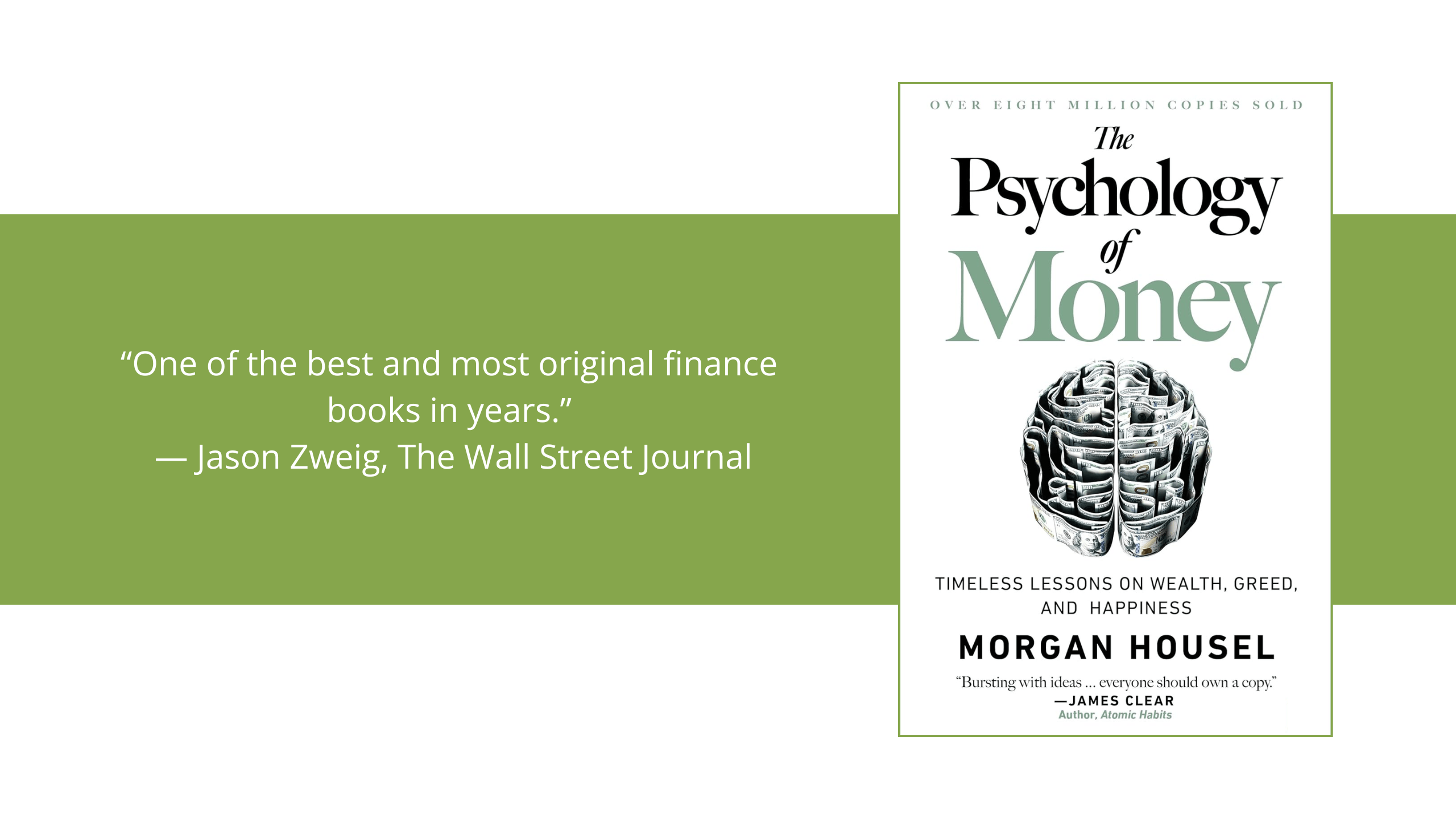
In this book, Morgan Housel explores how emotions, personal experiences, and social context influence financial decisions, often more than technical knowledge itself.
It shows that financial success depends not only on knowing how to calculate returns or analyse markets, but above all on discipline, patience, and emotional control. If you want to develop a steadier approach to market volatility and avoid making rash decisions, this is an essential read.
"One of the best and most original books ever written on finance in recent years.” — Jason Zweig, The Wall Street Journal.
Discover in this Carregosa NextGen article how the psychology of money influences the decisions you make, what drives you to spend or save, and how you can gain more control.
5. "Secrets of the Millionaire Mind”, by T. Harv Eker
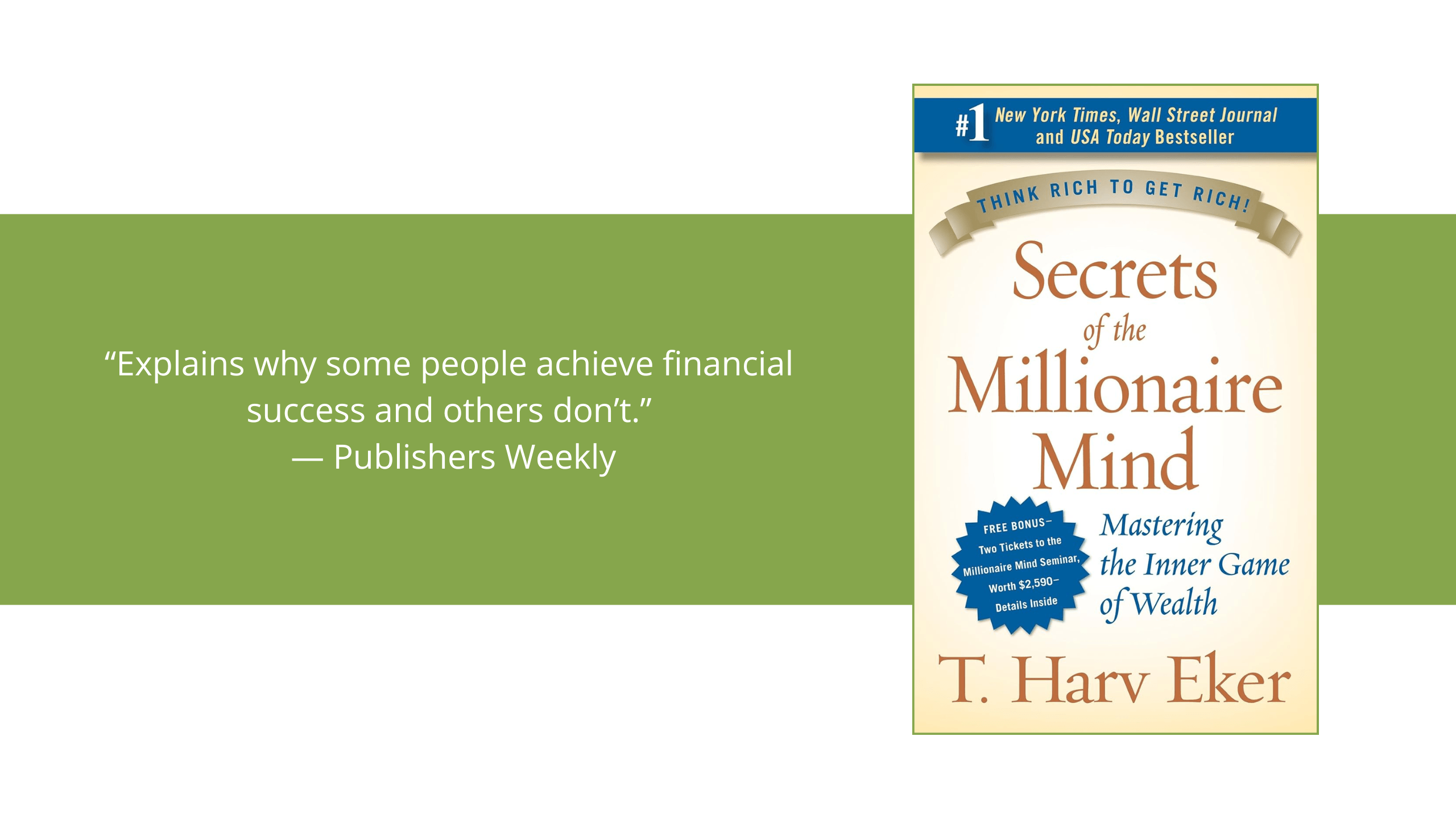
This book focuses on the mindset associated with financial success. The author argues that each person has an "internal financial model” that conditions their results.
It is a motivational work with practical exercises that lead you to reflect on limiting beliefs. It can be especially interesting if you are looking to develop a more growth-oriented mindset.
"It explains why some people achieve financial success and others do not.” — Publishers Weekly.
Best books on investing
After mastering the basics, the next step is to make your money grow. The best books on investing help you understand how financial markets work, what the main strategies are, and how to avoid common mistakes, especially at the beginning.
Read these books if you want to: start investing in shares and/or ETFs, understand concepts such as diversification and risk, and build a consistent long-term strategy.
6. "A Random Walk Down Wall Street”, by Burton G. Malkiel
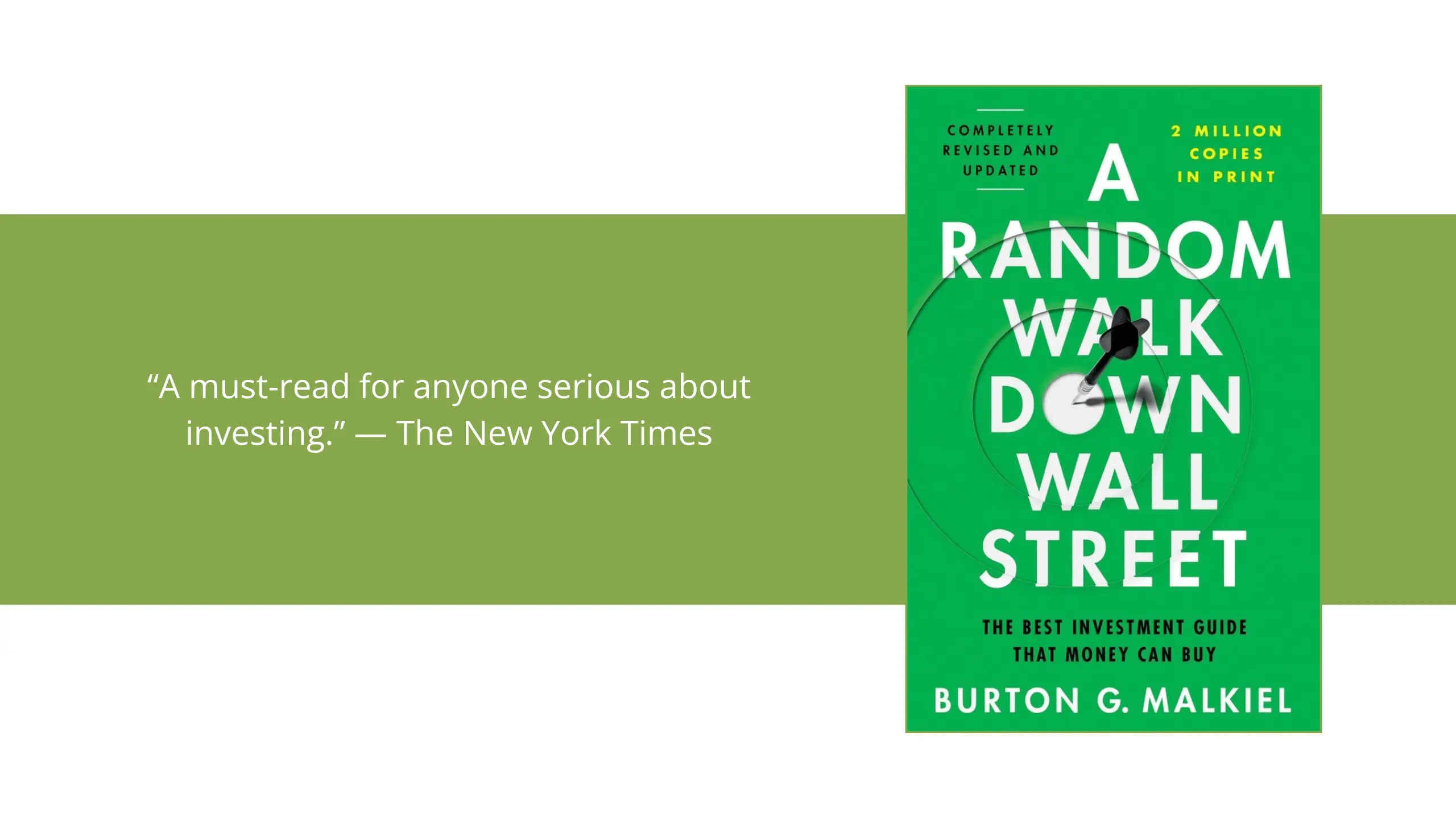
A classic reference in the world of investing, this book explains concepts such as market efficiency, diversification, and indexed investing. Malkiel argues that trying to consistently beat the market is extremely difficult, even for experienced professionals.
Although it has a more technical component, the book helps you understand the importance of reducing costs, avoiding impulsive decisions, and maintaining a disciplined strategy. If you want to deepen your knowledge of financial markets and understand the logic of passive investing, this book adds a solid theoretical foundation to your journey.
"A must-read for anyone who takes investing seriously.” — The New York Times.
7. "The Little Book of Common Sense Investing”, by John C. Bogle
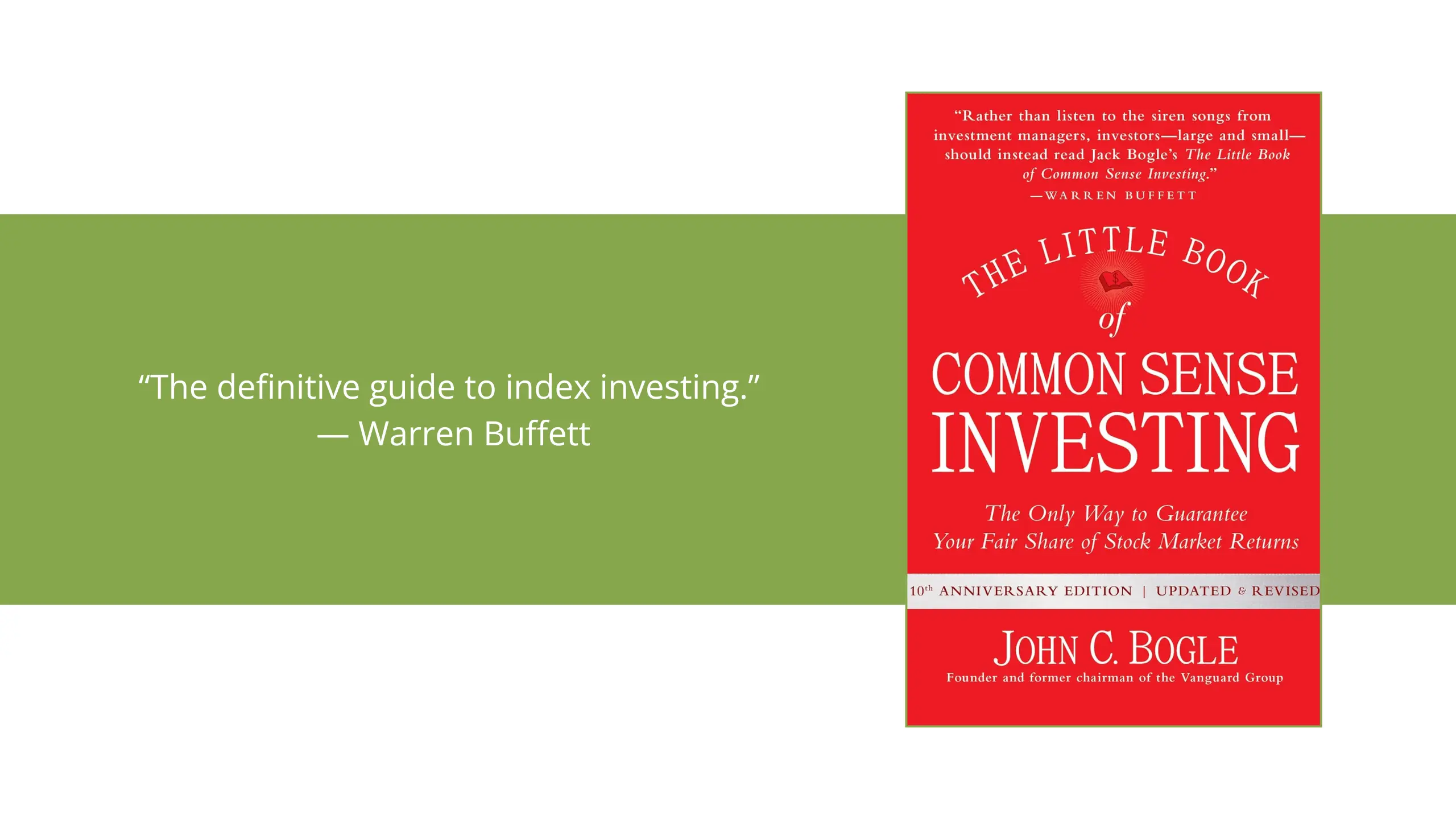
Written by the founder of Vanguard, this book advocates simple, diversified, low-cost investing as a sustainable way to build wealth over time.
Bogle explains, in a clear and accessible way, why costs and fees can have a significant impact on long-term returns. His philosophy is based on discipline, consistency, and a long-term focus – principles that are particularly relevant for beginner investors looking for a simple yet effective strategy. It is a practical read for those who want to start investing rationally and methodically.
"The ultimate guide to index investing.” — Warren Buffett.
Find out in our eBook all about the instruments you can trade with your Carregosa NextGen account. Explanatory charts and exclusive insights from Banco Carregosa experts for you to explore now and invest with confidence!
Best books on financial independence
More than just saving or investing, many of these books explore a bigger question: how to build financial freedom over a lifetime. Books on financial independence help you think strategically about income, time, and personal goals, showing that building wealth is the result of consistent decisions over time.
Read these books if you want to: reduce dependence on a salary, create multiple sources of income, and align money with life goals.
8. "Your Money or Your Life”, by Vicki Robin and Joe Dominguez
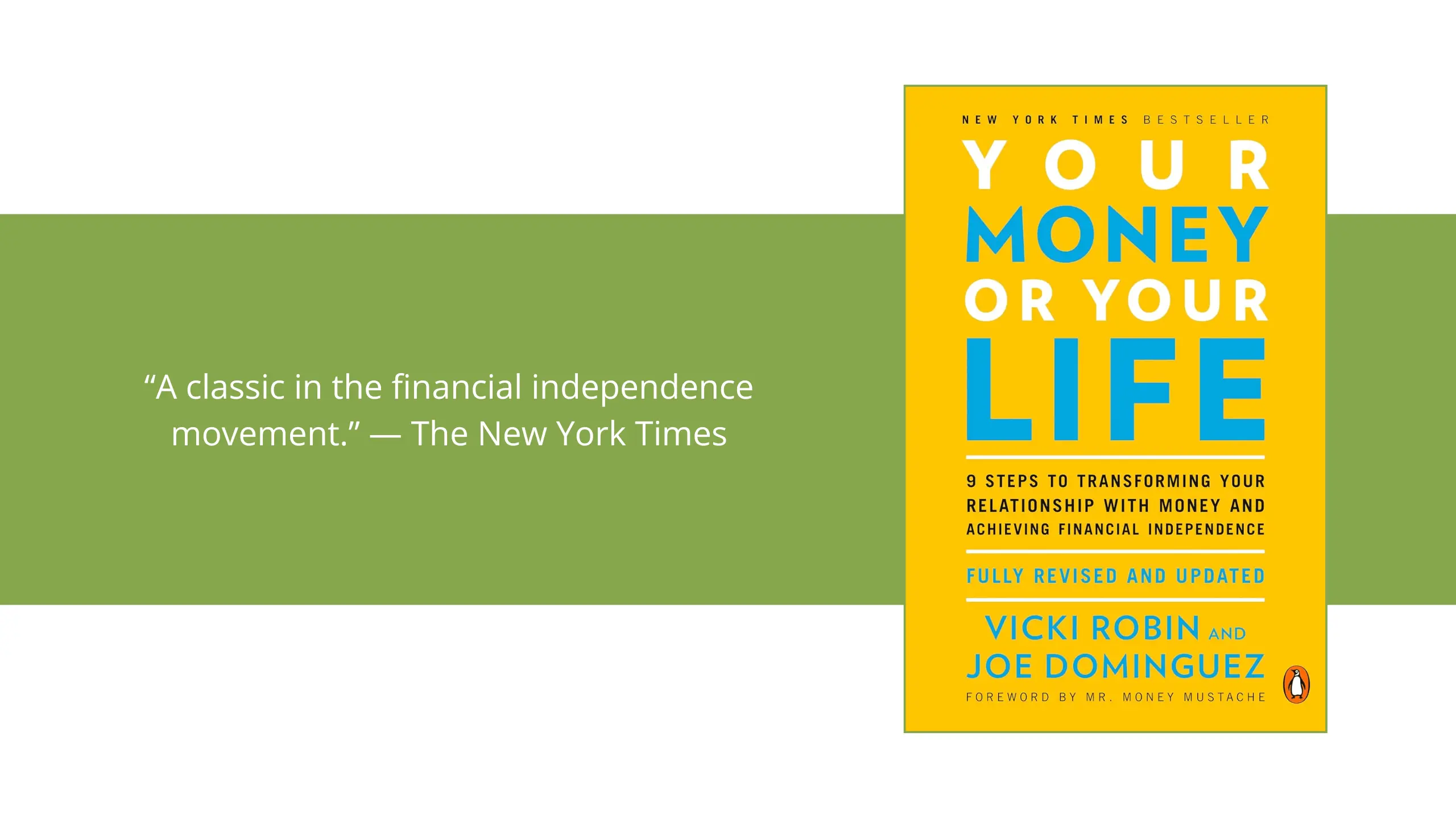
This book proposes greater alignment between money and life purpose. More than accumulating wealth, the focus is on creating conscious financial freedom.
"Your Money or Your Life” explores topics such as controlling expenses, financial independence, and redefining priorities. It is a relevant work for those seeking more balance between personal life and finances.
"A classic of the financial independence movement.” — The New York Times.
9. "The Millionaire Next Door”, by Thomas J. Stanley and William D. Danko
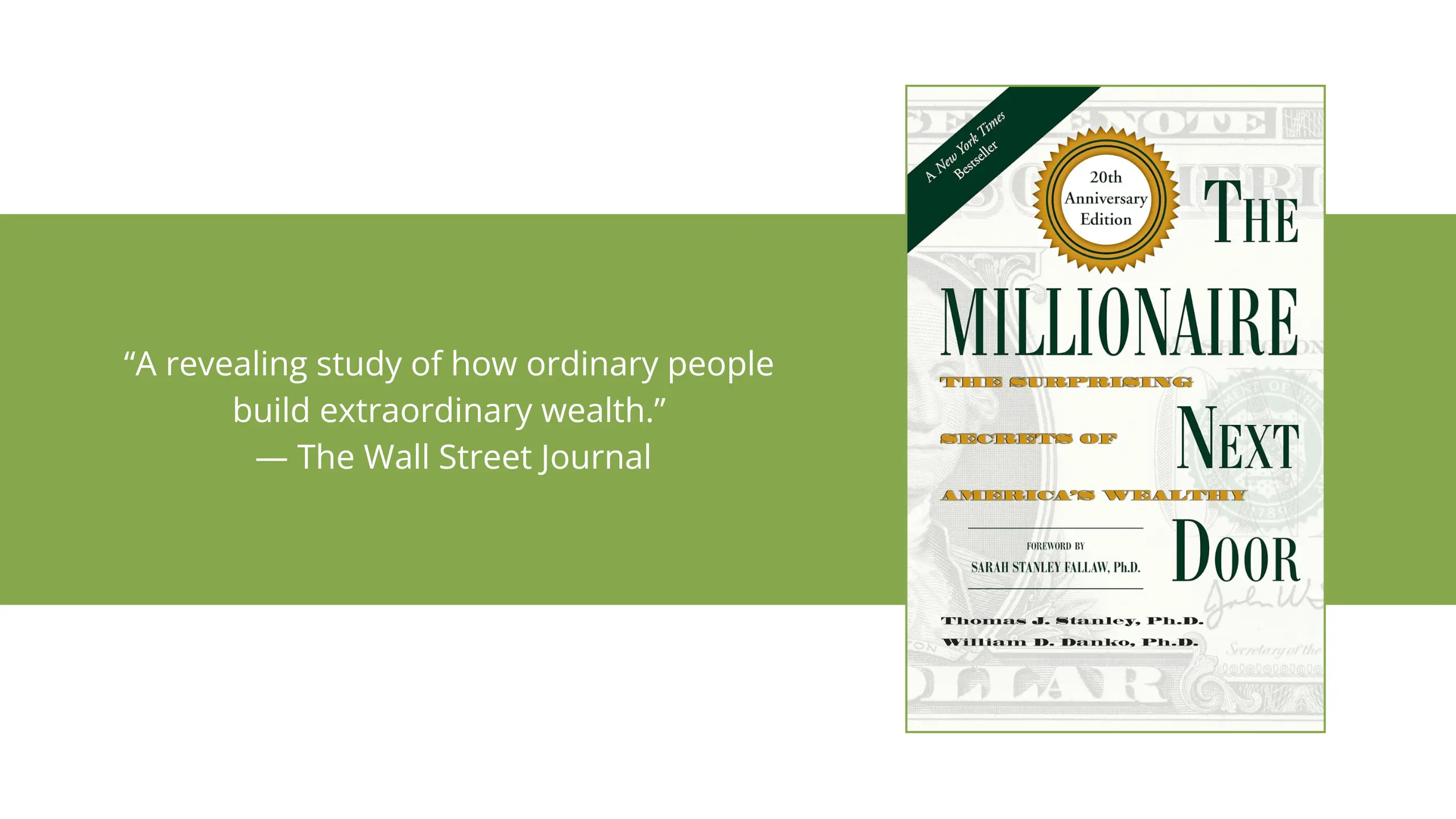
Based on extensive research, this book shows how it is possible to accumulate wealth through discipline, expense control, and consistent financial decisions over decades.
The authors demonstrate that building wealth is more closely linked to habits than to high incomes. It is a particularly useful approach if you want to understand that financial independence rarely results from luck, but rather from strategy, patience, and consistency in choices over time.
"A revealing study of how ordinary people accumulate extraordinary wealth.” — The Wall Street Journal.
10. "Rich Dad’s Cashflow Quadrant”, by Robert T. Kiyosaki
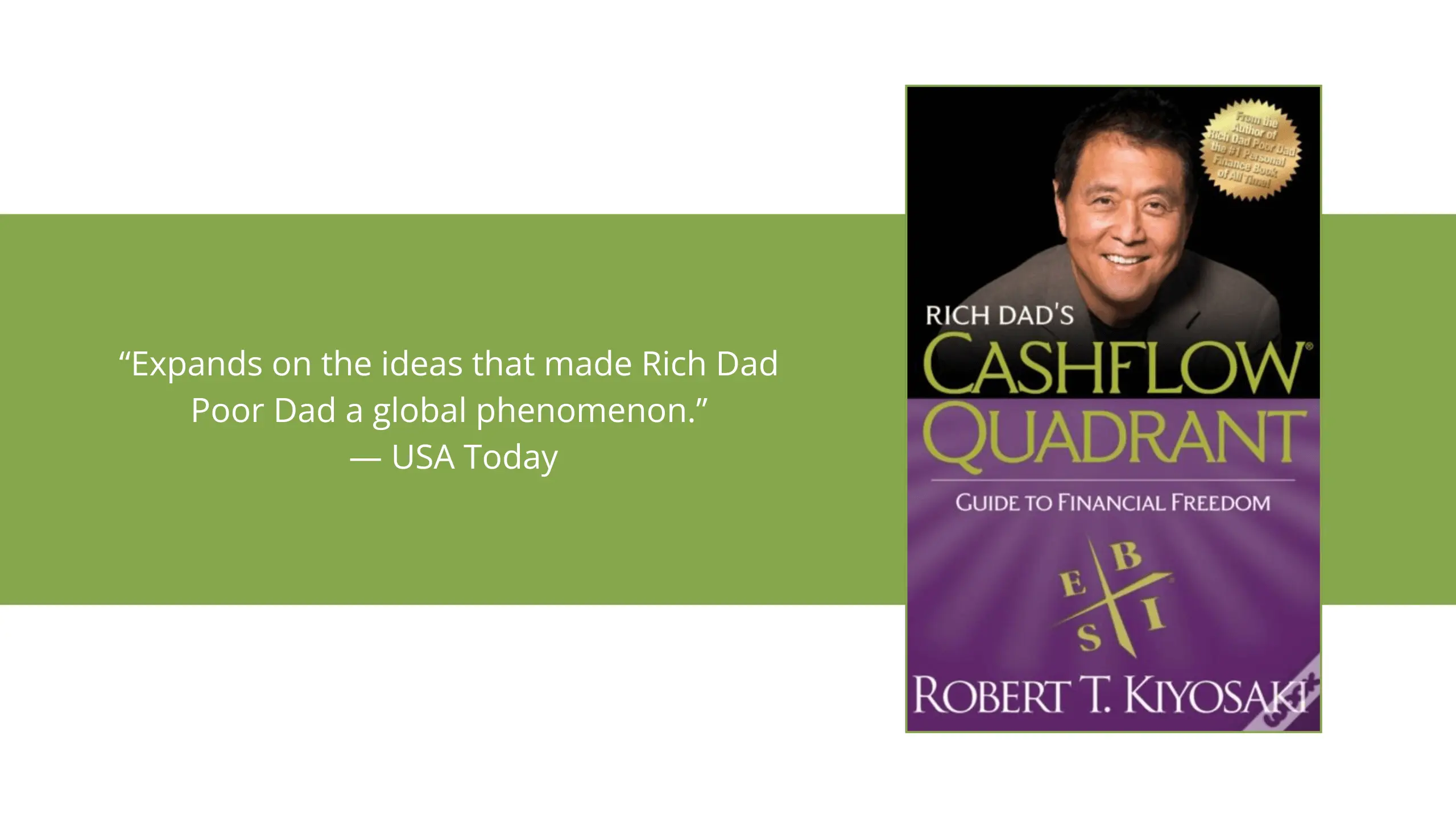
In this sequel to Rich Dad, Poor Dad, Kiyosaki delves deeper into the different income-generating profiles: employee, self-employed, business owner, and investor. The central idea is to show that not all sources of income offer the same potential for scalability or financial freedom.
The author encourages you to reflect on where you are currently positioned and where you want to evolve. By exploring the differences between trading time for money and creating systems that generate income, the book challenges you to think more strategically about career, entrepreneurship, and investment. It is especially relevant for those who want to diversify sources of income in the medium and long term.
"It delves deeper into the ideas that made Rich Dad, Poor Dad a worldwide phenomenon.” — USA Today.
Discover in this Carregosa NextGen article what financial freedom really is and how you can build this independence throughout your life.
How to choose the best book on personal finance
With so many options available, the best choice always depends on your starting point and your objectives.
Before you start, ask yourself these three questions:
• Do I already have control over my personal finances?
• Do I want to learn how to invest or improve my financial habits?
• Am I looking for technical knowledge or a change in mindset?
By answering these questions, you will be able to choose a book that is more aligned with your current moment and significantly increase the impact of your reading.
From Financial Literacy to Action: Start Investing with Carregosa NextGen
Reading the best books on personal finance can be an excellent starting point, but the real impact comes when you move from theory to practice. These readings do not just offer formulas; they help you develop the mindset needed to make decisions, save, and invest with clarity.
At Carregosa NextGen, we believe that financial literacy is the tool that allows you to invest with autonomy and security. That is why in the Carregosa NextGen Academy you will find countless contents designed to help you invest in an informed way.
You have read about investing. Now it’s time to start. Contact us to learn about our solutions designed for the new generation of investors. Start writing the next chapter of your financial future today.
The best books on personal finance: Frequently Asked Questions
What is the best personal finance book for beginners?
For those who are just starting out, the ideal is to choose simple, practical books that are easy to apply in everyday life. Among the most recommended are: "The Richest Man in Babylon”, by George S. Clason; "Rich Dad, Poor Dad”, by Robert T. Kiyosaki; and "I’ll Teach You to Be Rich”, by Ramit Sethi. If you have never read anything about personal finance before, these books are a solid starting point.
Is "Rich Dad, Poor Dad” worth reading?
Yes, but with a critical eye. Robert T. Kiyosaki’s book is one of the most popular in the field of personal finance and stands out for the way it challenges traditional ideas about work, income, and investment. However, it simplifies some financial concepts and does not replace more in-depth technical knowledge. It is more useful as a first contact with financial thinking than as a complete practical guide.
Which books help you start investing?
If you want to take your first steps in investing, it is important to choose books that combine theory with practical application. Some of the best options are: "The Little Book of Common Sense Investing”, by John C. Bogle and "A Random Walk Down Wall Street”, by Burton G. Malkiel. These books help you build a solid foundation before you start investing with real money.
What is the best book for improving your financial mindset?
The way you think about money has a direct impact on your financial results. One of the most recommended books in this area is "The Psychology of Money”, by Morgan Housel. This book explains how emotions, behaviour, and context influence financial decisions, often more than technical knowledge.
How many books should I read before I start investing?
You don’t need to read many books to start. In practice, 1 to 2 well-chosen books are enough to create a solid foundation, because the most important thing is to move from theory to action. The ideal is to learn, test, and adjust over time. At Carregosa NextGen, we can help you with resources and specialised support that will help you apply the concepts you have learned in practice.